Beyond the Sound: Expressive Speech Errors Through an Orofacial Myofunctional Lens
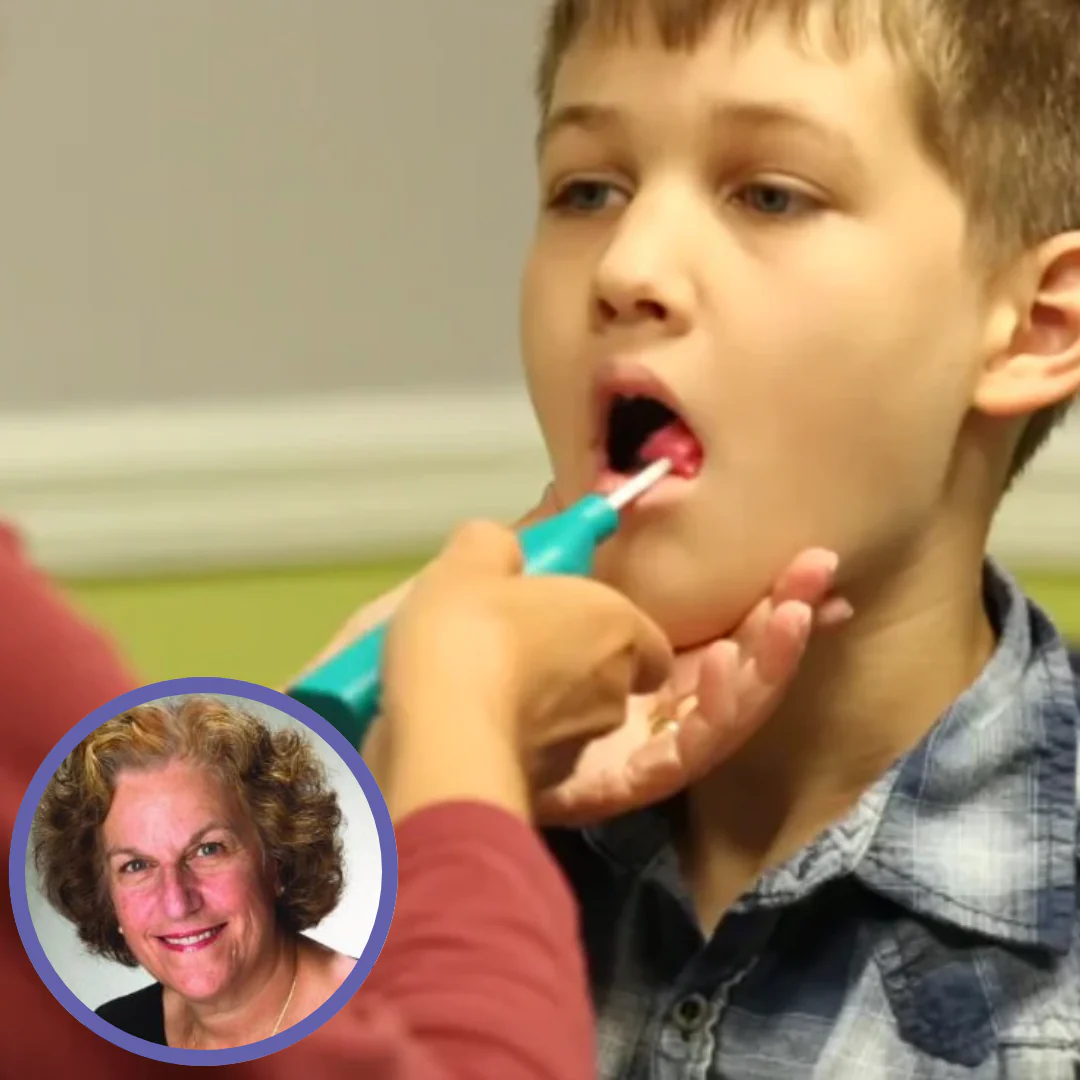
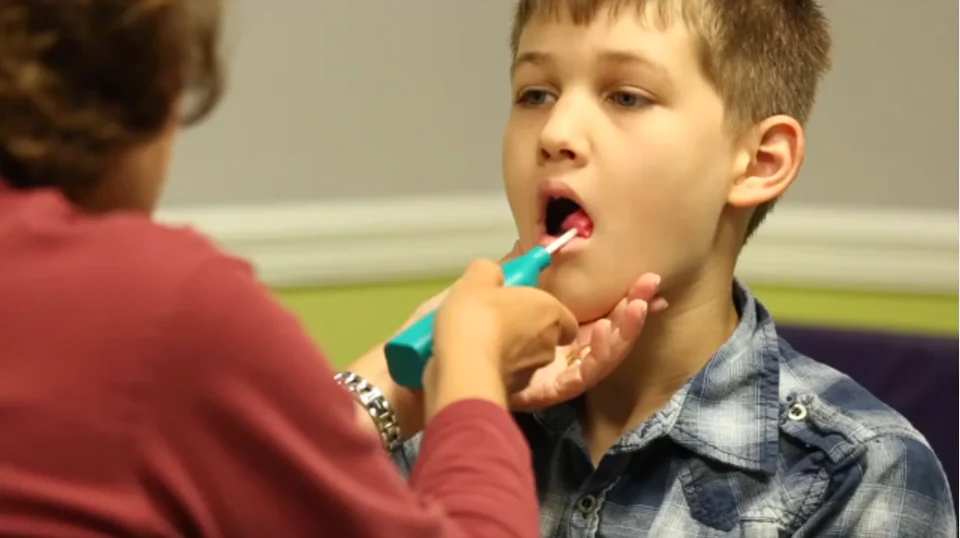
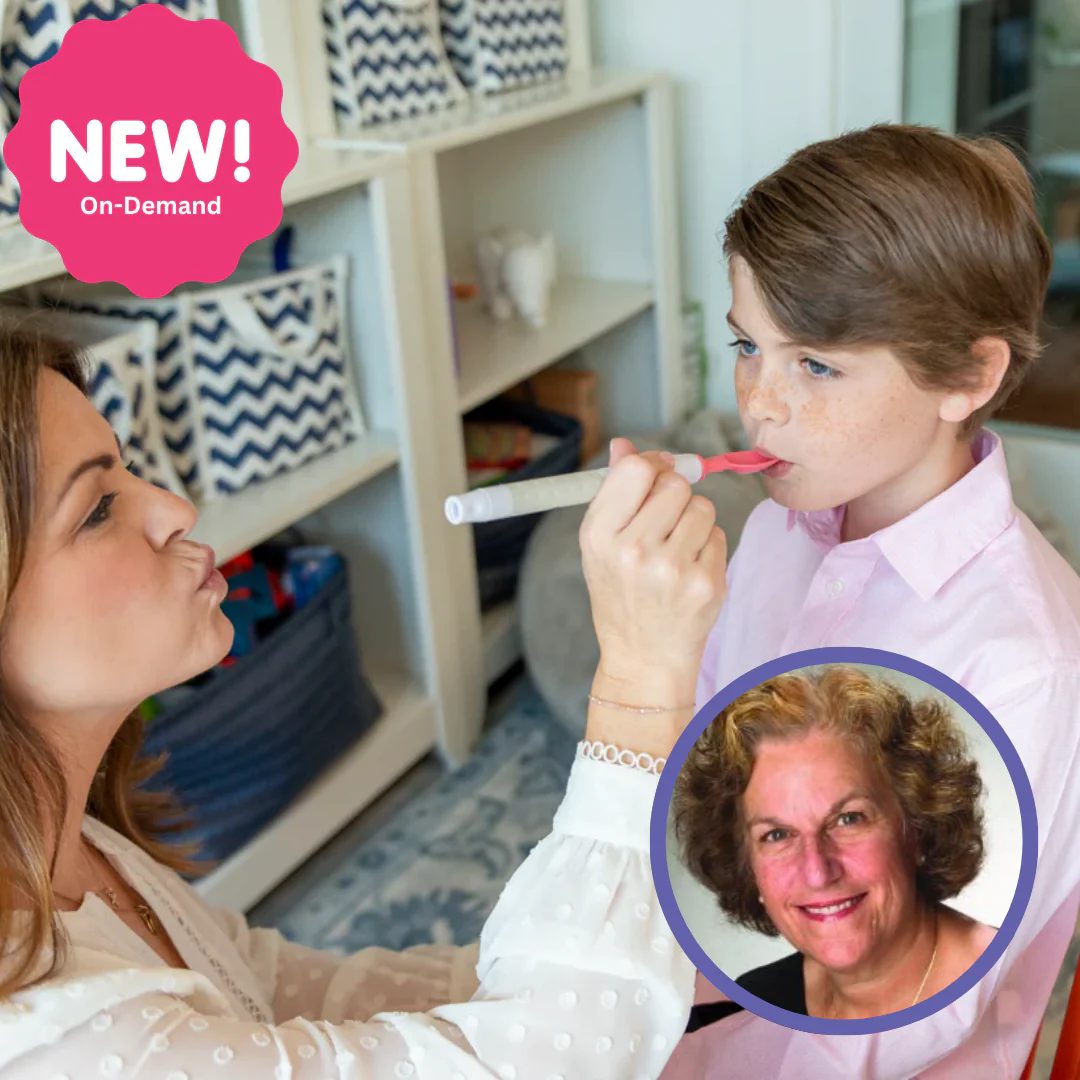
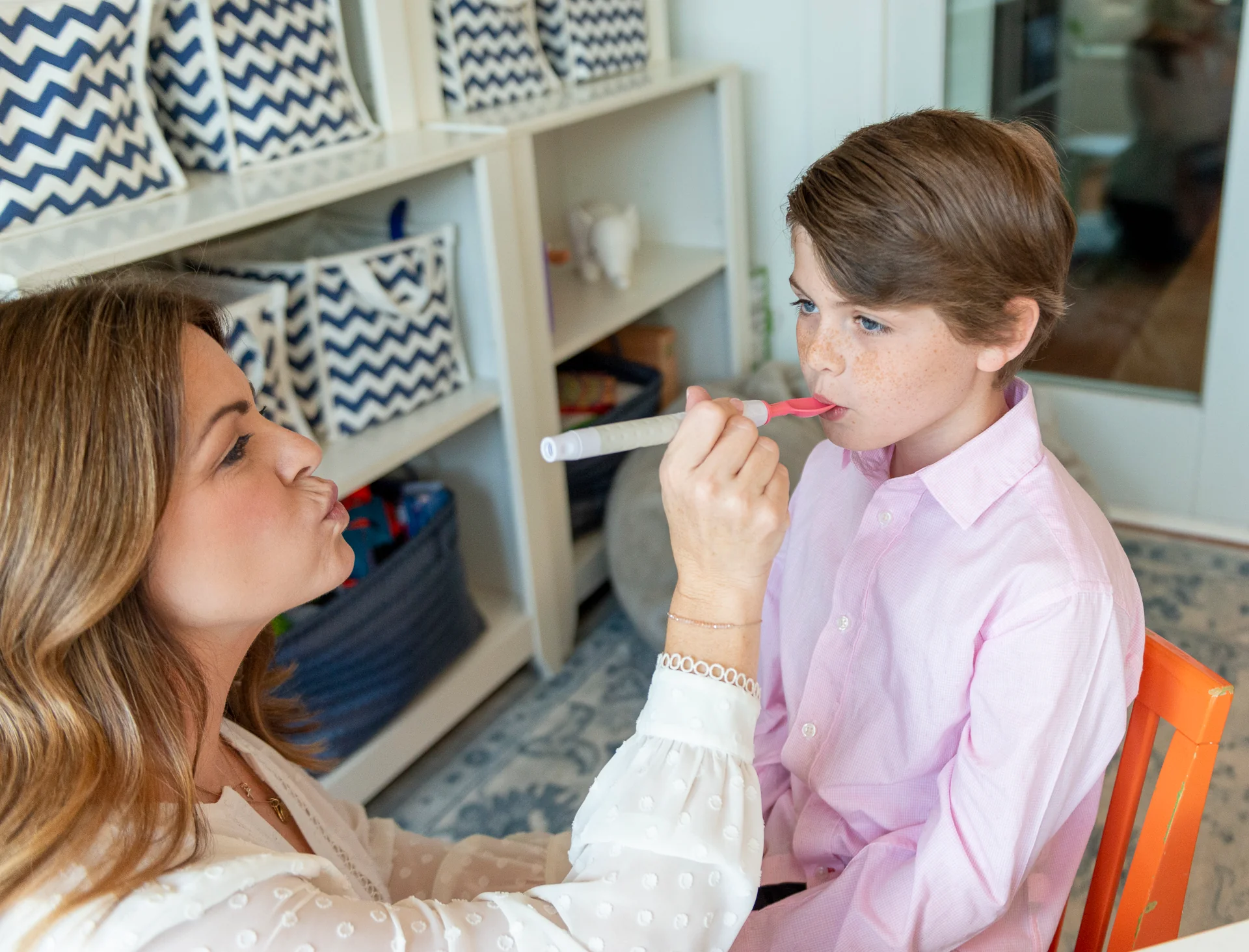
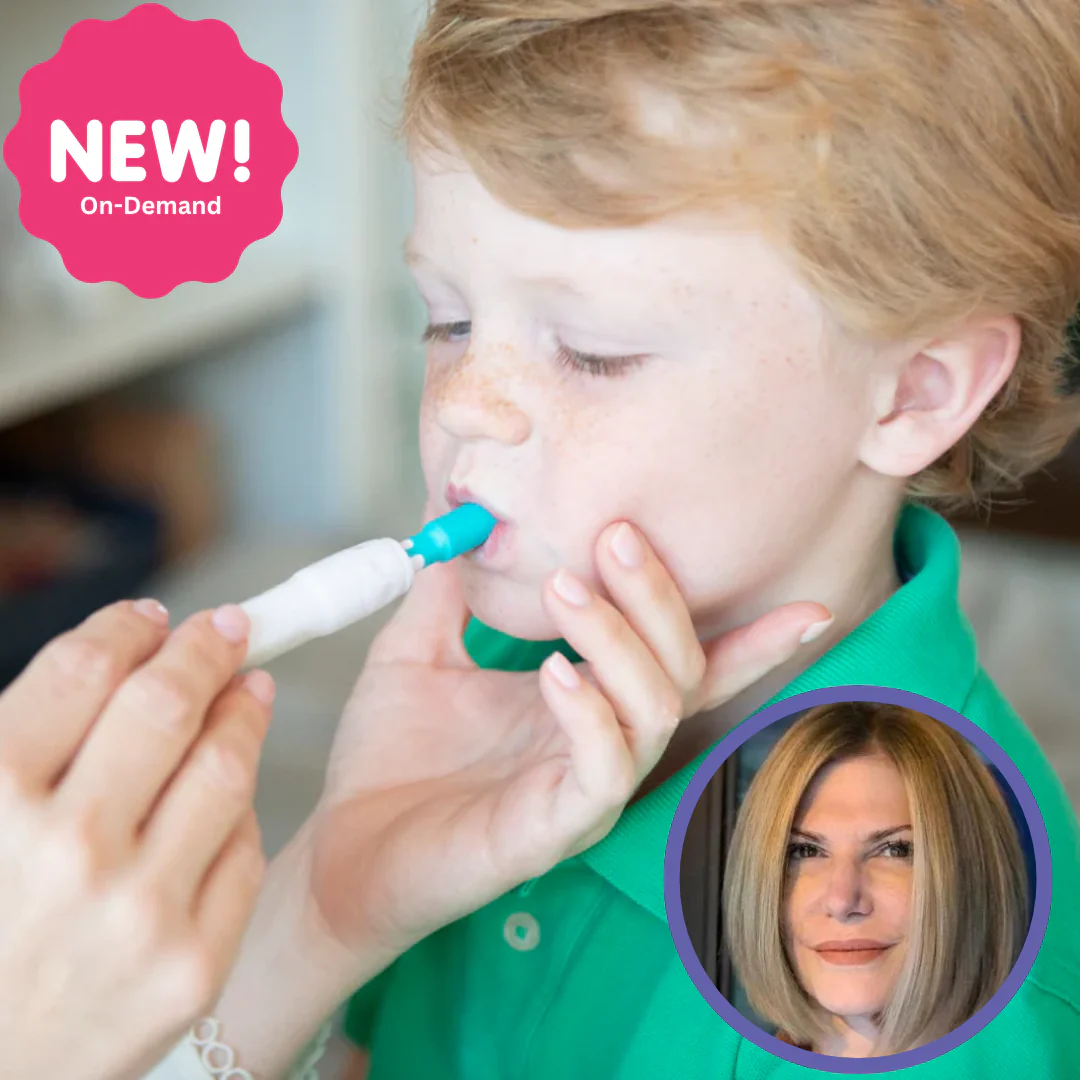
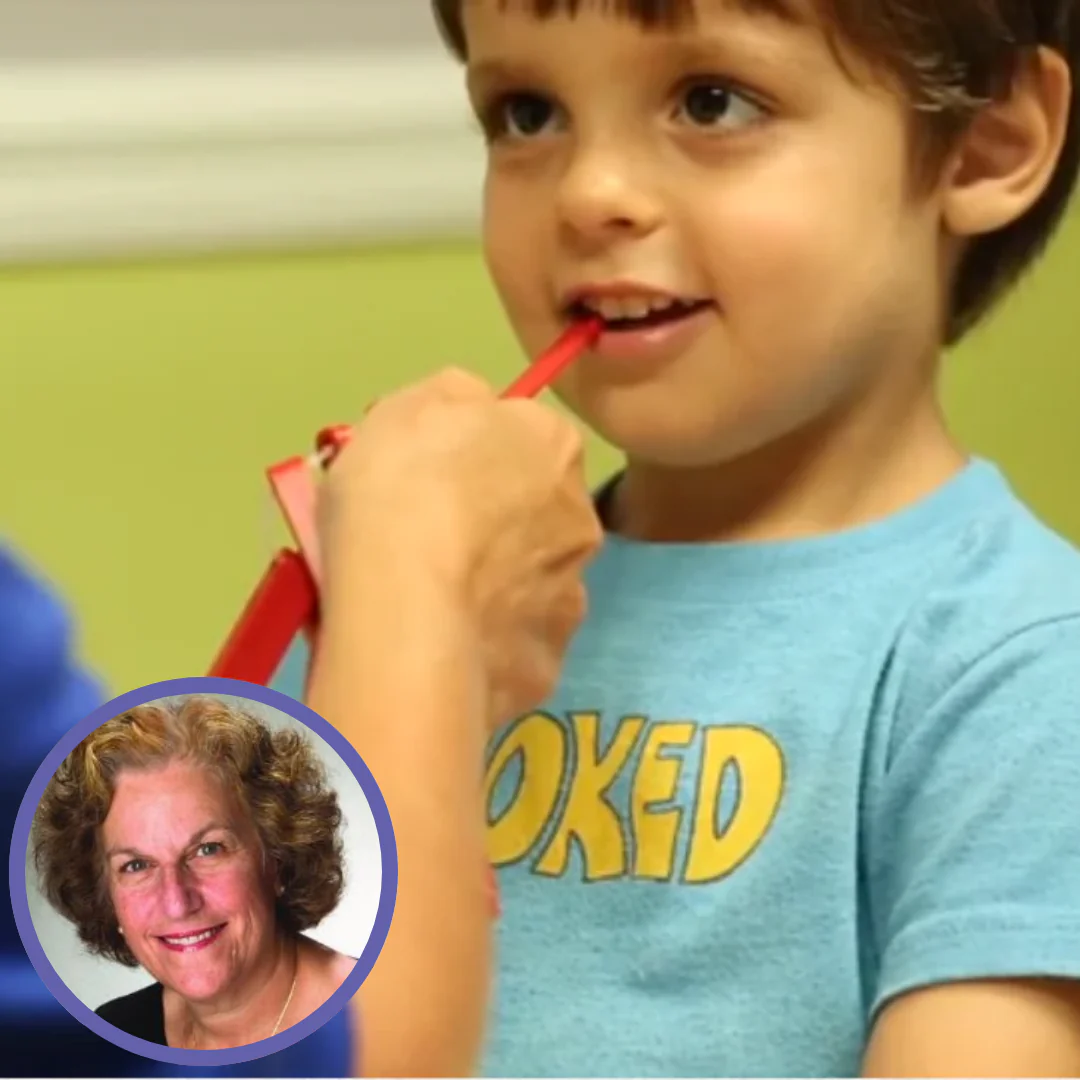
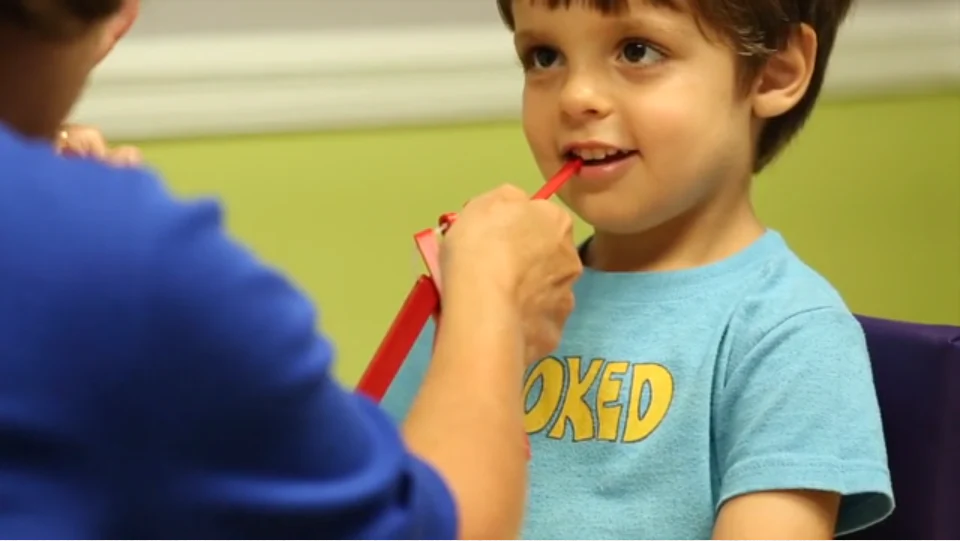
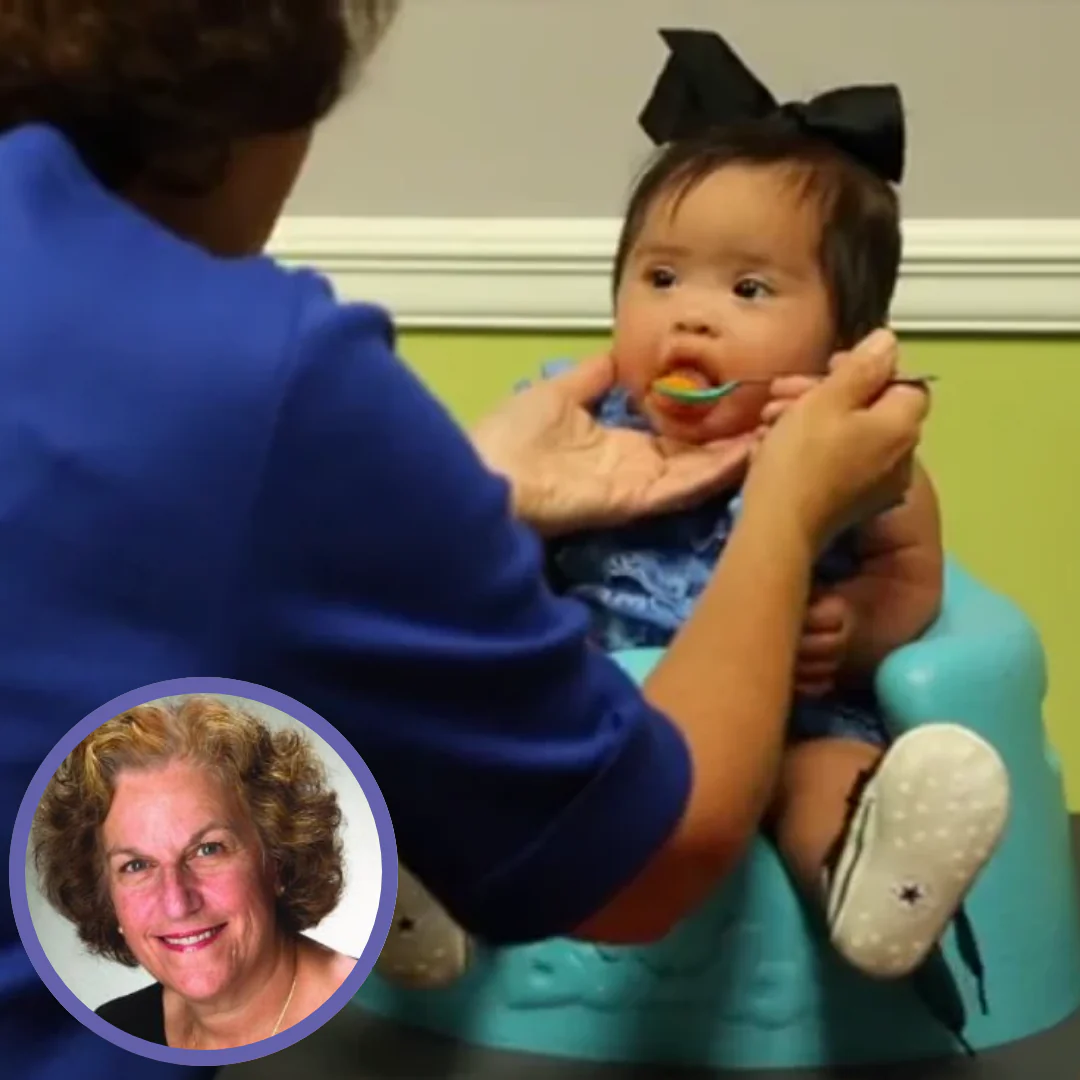
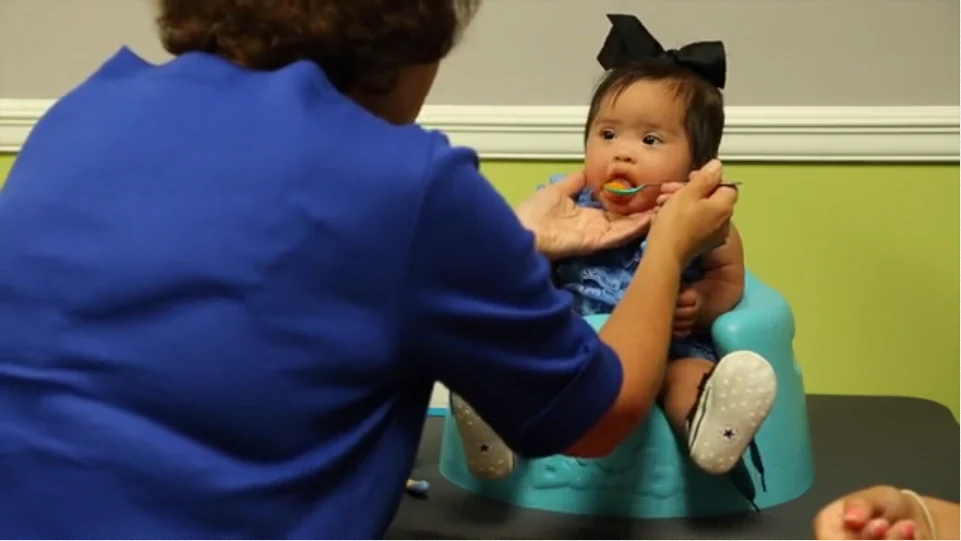
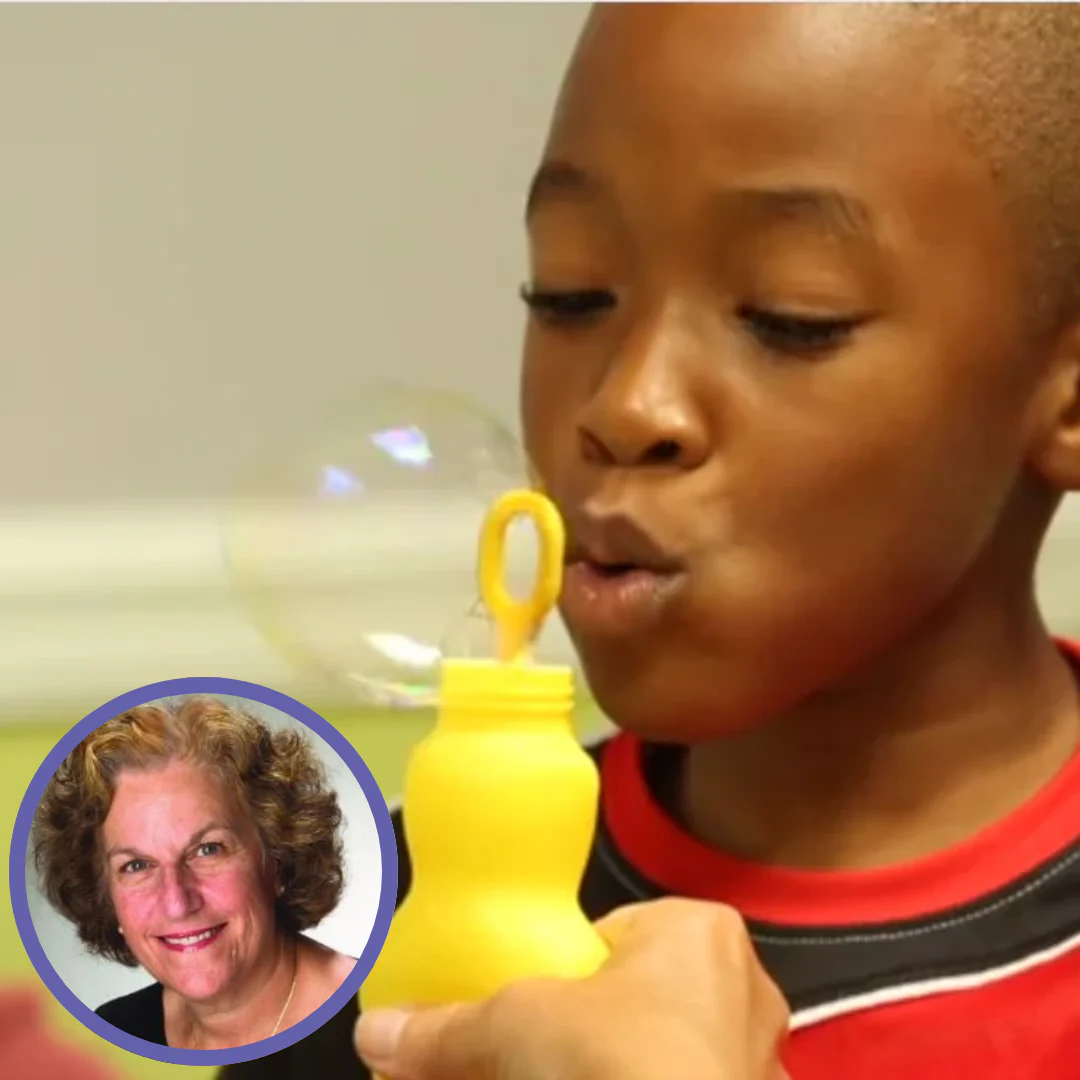
Persistent expressive speech distortions and carryover breakdowns are common clinical challenges in pediatric speech sound intervention. This course introduces a structured “Myo Lens” framework for analyzing when orofacial myofunctional patterns (e.g., oral rest posture, jaw stability/grading, tongue mobility/coordination/endurance, and compensatory oral behaviors) may contribute to ongoing expressive speech errors. Participants will review foundational concepts of orofacial myofunctional disorders (OMDs), learn a myofunctional assessment pathway, and apply clinical reasoning to differentiate cases appropriate for traditional articulation/phonological treatment from cases benefiting from integrated, OMD-informed planning and/or interprofessional collaboration. Through error-pattern mapping and case-based application, attendees will develop practical intervention plans that pair speech sound targets with foundational orofacial targets and select functional outcome measures to support generalization and long-term stability.
Product Information
Product Information
Shipping & Returns
Shipping & Returns
Description
Persistent expressive speech distortions and carryover breakdowns are common clinical challenges in pediatric speech sound intervention. This course introduces a structured “Myo Lens” framework for analyzing when orofacial myofunctional patterns (e.g., oral rest posture, jaw stability/grading, tongue mobility/coordination/endurance, and compensatory oral behaviors) may contribute to ongoing expressive speech errors. Participants will review foundational concepts of orofacial myofunctional disorders (OMDs), learn a myofunctional assessment pathway, and apply clinical reasoning to differentiate cases appropriate for traditional articulation/phonological treatment from cases benefiting from integrated, OMD-informed planning and/or interprofessional collaboration. Through error-pattern mapping and case-based application, attendees will develop practical intervention plans that pair speech sound targets with foundational orofacial targets and select functional outcome measures to support generalization and long-term stability.