Oral-Motor Techniques In Articulation and Phonological Therapy
Oral-Motor Techniques In Articulation and Phonological Therapy
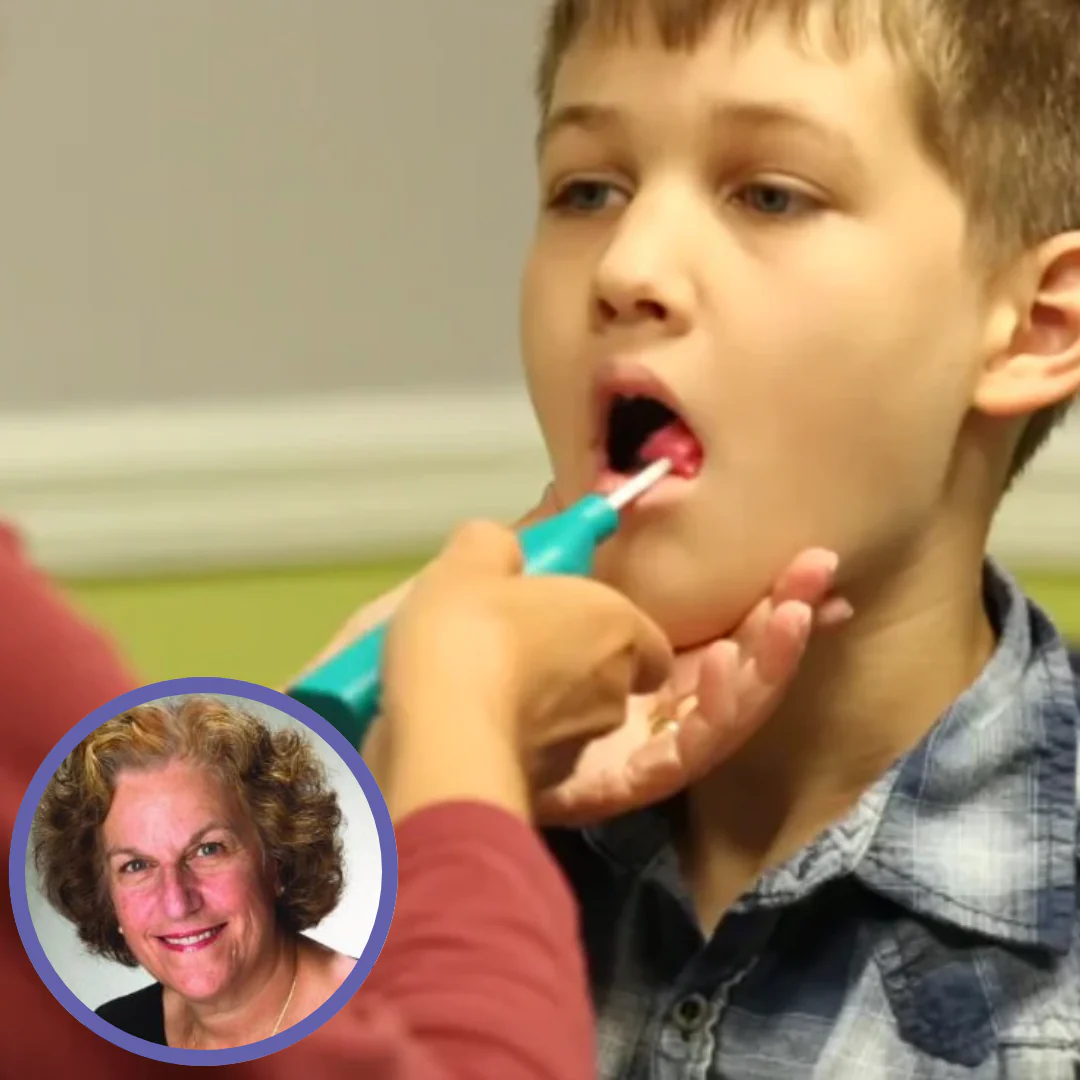
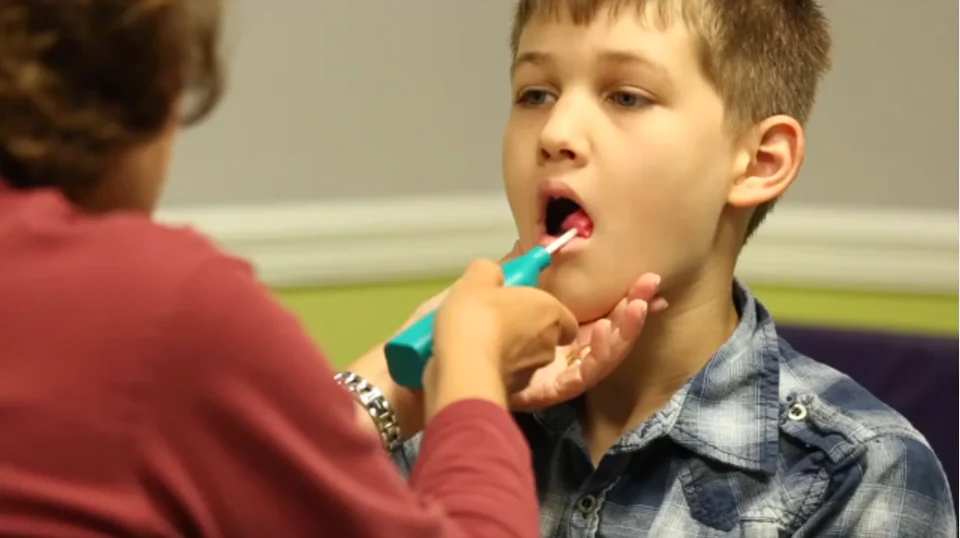
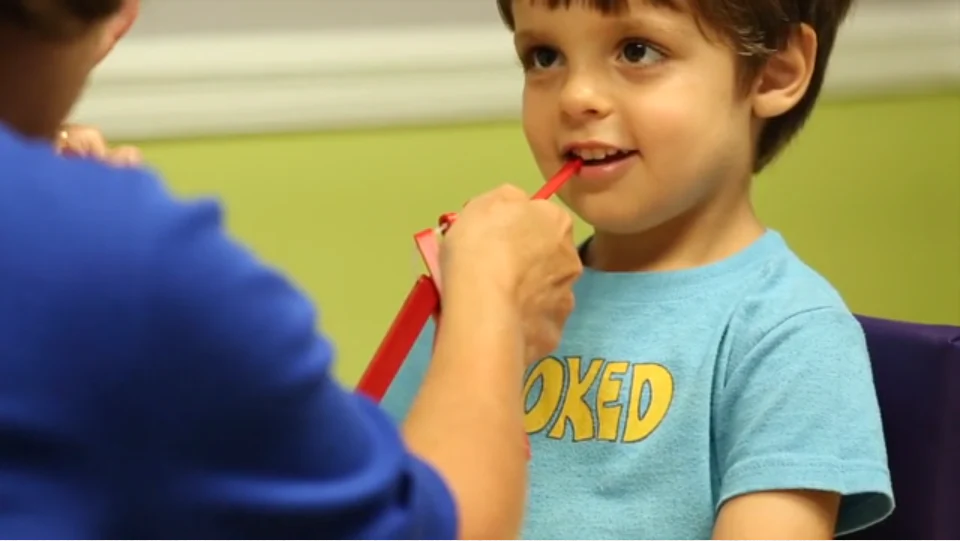
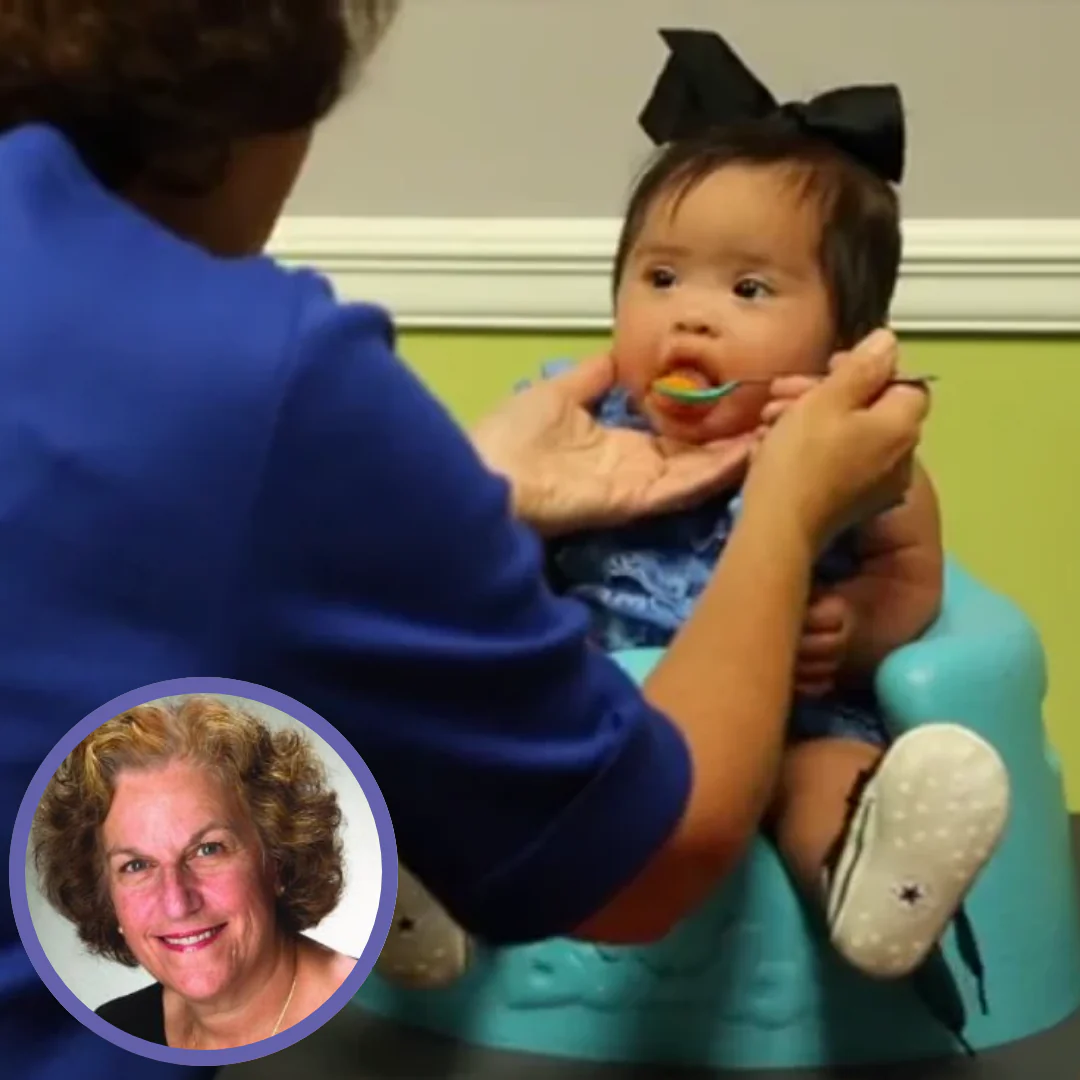
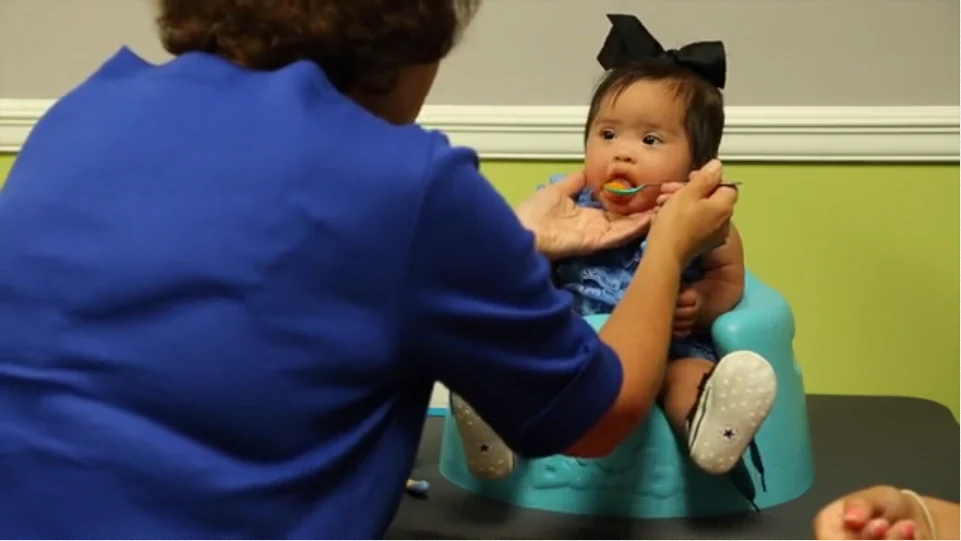
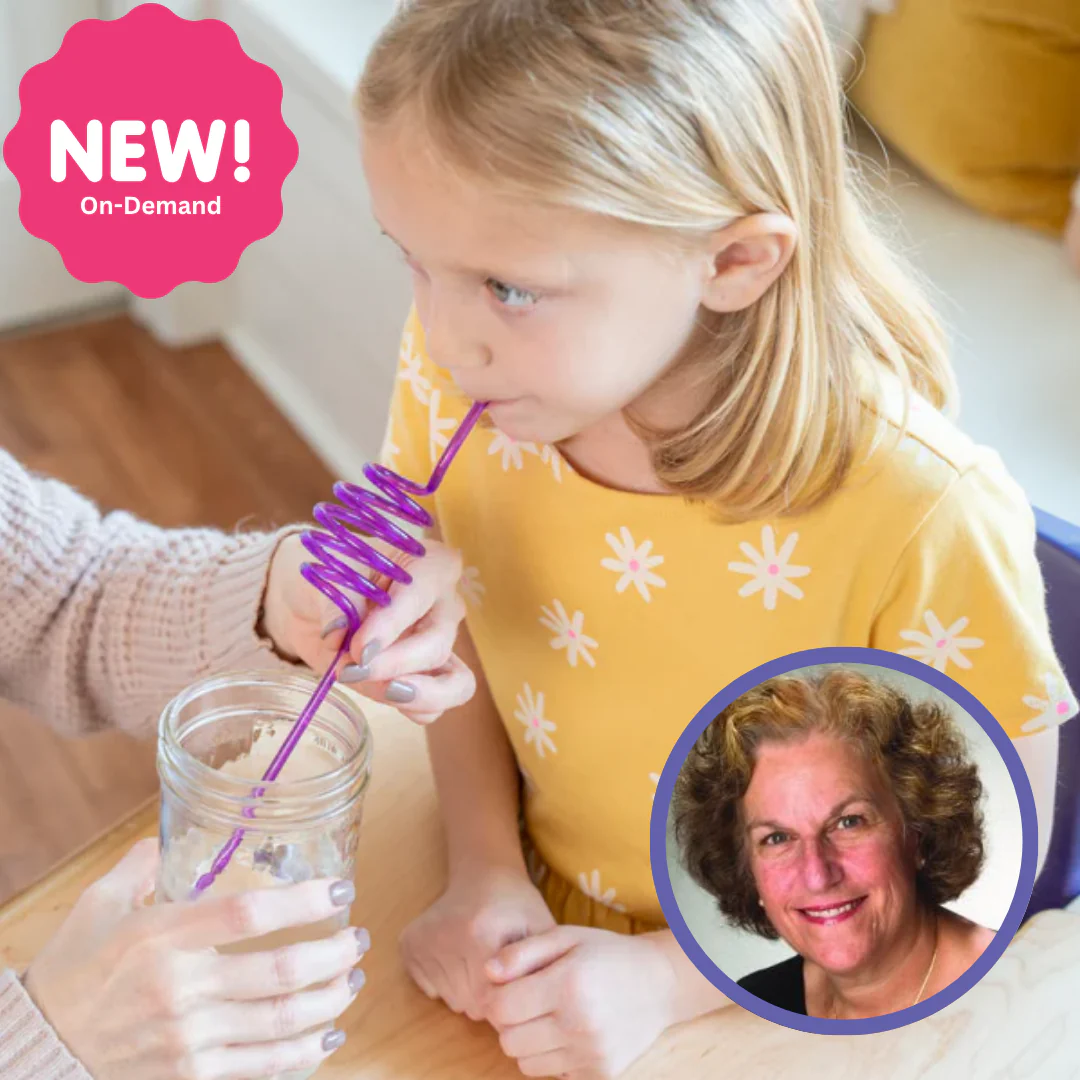
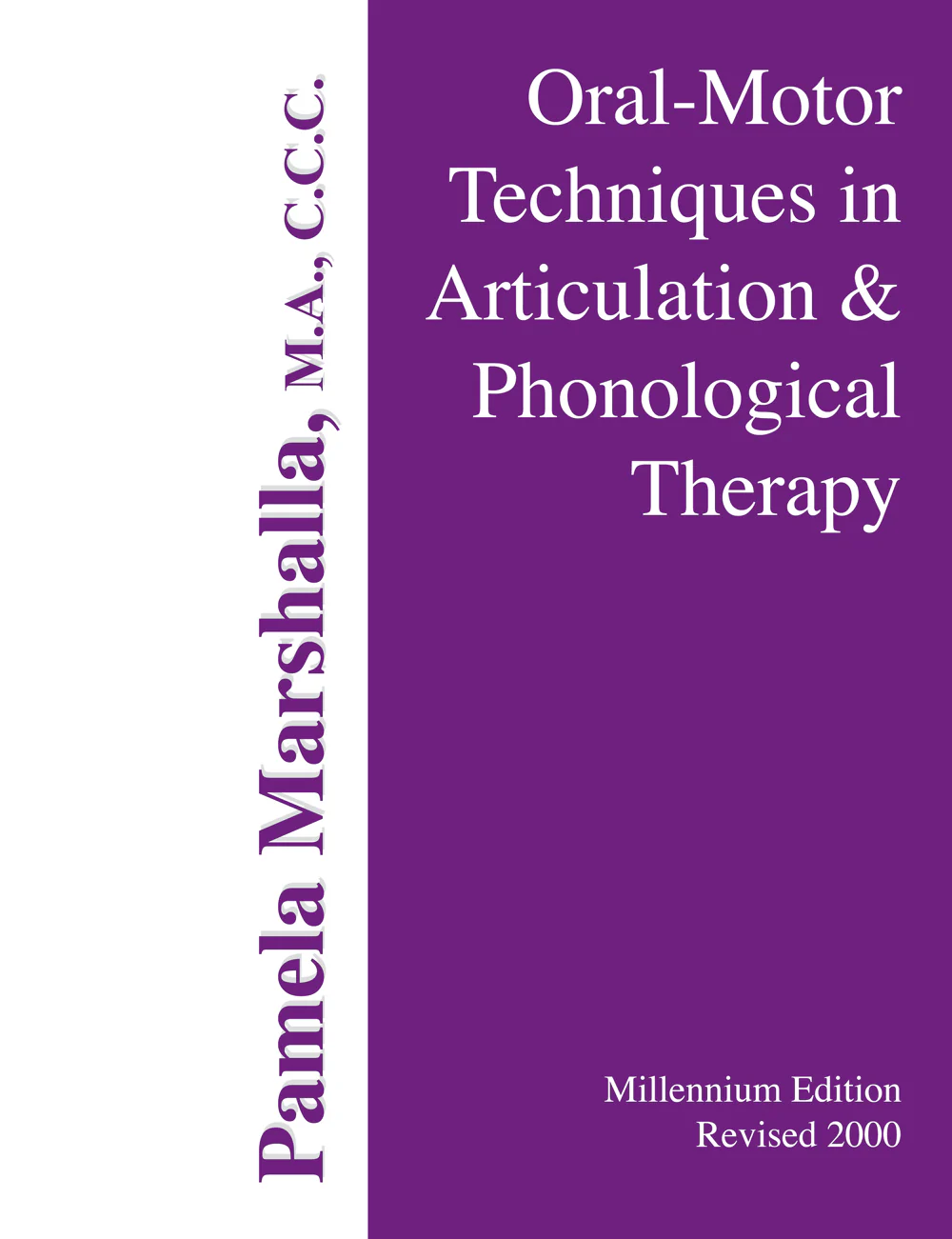
By Pam Marshalla, this highly detailed, well-organized course text is filled with step-by-step therapy strategies for understanding why and how to do basic oral-motor therapy. It contains dozens of detailed diagrams on phonetic placement and movement of the oral mechanism. Named a Top Ten title by the Library of Speech and Language Pathology in 2002 and SuperDuper's best-selling oral-motor book in 2001, it has also been used as supplemental reading material in graduate courses on articulation and motor speech disorders.
Therapy Goals
- Understand infant developmental stages as a foundation for oral-motor therapy
- Apply jaw facilitation activities to support articulation development
- Address tactile sensitivity affecting oral movement and placement
- Develop lip retraction and improve tongue and lateral margin elevation
- Stimulate accurate production of /l/, /k/, /g/, /r/, and /s/
- Reduce drooling and support treatment of apraxia through oral-motor strategies
- Highly detailed, well-organized course text packed with step-by-step therapy strategies
- Dozens of detailed diagrams illustrating phonetic placement and oral mechanism movement
- Named Top Ten by the Library of Speech and Language Pathology in 2002
- SuperDuper's best-selling oral-motor book in 2001
- Widely used as supplemental reading in graduate courses on articulation and motor speech disorders
- Covers practical strategies for sound stimulation, drooling reduction, and apraxia treatment
- Speech-language pathologists working on articulation and phonological disorders
- Clinicians treating clients with apraxia, drooling, or oral-motor placement difficulties
- Graduate students studying articulation and motor speech disorders
- Clinicians targeting /l/, /k/, /g/, /r/, and /s/ production through oral-motor approaches
- Therapists seeking a foundational, diagram-rich reference for basic oral-motor therapy
- 1 x "Oral-Motor Techniques In Articulation and Phonological Therapy" book by Pam Marshalla (Paperback)
| Author | Pam Marshalla |
| Format | Paperback |
| Focus | Foundational oral-motor techniques for articulation and phonological therapy |
| Recommended use | Clinical reference and graduate-level supplemental course reading |
| Use setting | Clinical practice and university articulation/motor speech courses |
- Handle with clean, dry hands
- Store in a dry location away from moisture and direct sunlight
- Avoid bending the spine; lay flat for long-term storage
Original: $30.00
-65%$30.00
$10.50Product Information
Product Information
Shipping & Returns
Shipping & Returns
Description
Oral-Motor Techniques In Articulation and Phonological Therapy
By Pam Marshalla, this highly detailed, well-organized course text is filled with step-by-step therapy strategies for understanding why and how to do basic oral-motor therapy. It contains dozens of detailed diagrams on phonetic placement and movement of the oral mechanism. Named a Top Ten title by the Library of Speech and Language Pathology in 2002 and SuperDuper's best-selling oral-motor book in 2001, it has also been used as supplemental reading material in graduate courses on articulation and motor speech disorders.
Therapy Goals
- Understand infant developmental stages as a foundation for oral-motor therapy
- Apply jaw facilitation activities to support articulation development
- Address tactile sensitivity affecting oral movement and placement
- Develop lip retraction and improve tongue and lateral margin elevation
- Stimulate accurate production of /l/, /k/, /g/, /r/, and /s/
- Reduce drooling and support treatment of apraxia through oral-motor strategies
- Highly detailed, well-organized course text packed with step-by-step therapy strategies
- Dozens of detailed diagrams illustrating phonetic placement and oral mechanism movement
- Named Top Ten by the Library of Speech and Language Pathology in 2002
- SuperDuper's best-selling oral-motor book in 2001
- Widely used as supplemental reading in graduate courses on articulation and motor speech disorders
- Covers practical strategies for sound stimulation, drooling reduction, and apraxia treatment
- Speech-language pathologists working on articulation and phonological disorders
- Clinicians treating clients with apraxia, drooling, or oral-motor placement difficulties
- Graduate students studying articulation and motor speech disorders
- Clinicians targeting /l/, /k/, /g/, /r/, and /s/ production through oral-motor approaches
- Therapists seeking a foundational, diagram-rich reference for basic oral-motor therapy
- 1 x "Oral-Motor Techniques In Articulation and Phonological Therapy" book by Pam Marshalla (Paperback)
| Author | Pam Marshalla |
| Format | Paperback |
| Focus | Foundational oral-motor techniques for articulation and phonological therapy |
| Recommended use | Clinical reference and graduate-level supplemental course reading |
| Use setting | Clinical practice and university articulation/motor speech courses |
- Handle with clean, dry hands
- Store in a dry location away from moisture and direct sunlight
- Avoid bending the spine; lay flat for long-term storage